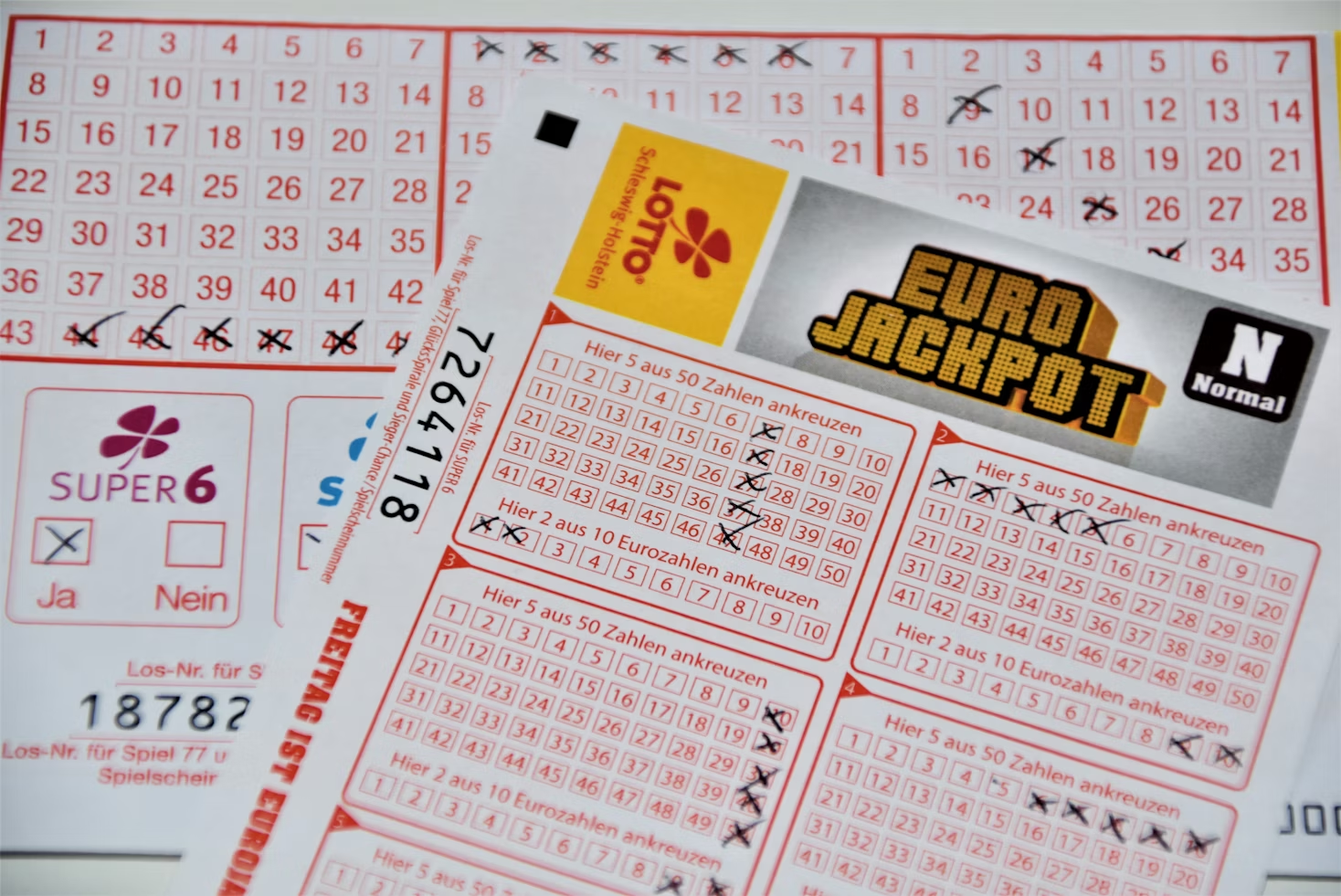
Expected value (EV) is the average profit or loss a bet returns if you could repeat the same price and the same true win probability many times. One result does not validate or kill the bet. The process does.
If your estimated win probability is p and the book offers decimal odds O, the bet is +EV when p × O − 1 > 0 — i.e. when the price is longer than your fair odds. That is the same definition used in value betting. Odds formats: Sports betting odds explained.
The EV formula
For stake S at decimal odds O, with win probability p:
EV = p × S × (O − 1) − (1 − p) × S
which simplifies to:
EV = S × (p × O − 1)
Edge (as a fraction of stake) is p × O − 1. Multiply by 100 for a percent-of-stake figure.
- +EV → edge > 0 at that price
- −EV → edge < 0 (you are paying the book’s hold, or worse)
- 0 EV → fair price under your
p(before considering limits, vig elsewhere, or opportunity cost)
p is your probability (model, sharp reference, or disciplined estimate). It is not the book’s implied probability. If p is wrong, the “edge” is fiction.
Worked example (decimal)
You estimate a side at 55% (p = 0.55). A book offers 2.10. Stake £100:
- Win: net profit
£100 × (2.10 − 1) = £110with probability 55% - Lose:
−£100with probability 45%
EV = 0.55 × 110 − 0.45 × 100 = 60.50 − 45.00 = £15.50
Compact form:
EV = 100 × (0.55 × 2.10 − 1) = 100 × 0.155 = £15.50
So +15.5% of stake in expectation if p = 55% is right. The next settlement is still either +£110 or −£100. Illustrative odds only — not a tip and not a live market.
Same price at 2.00 with the same p:
EV = 100 × (0.55 × 2.00 − 1) = £10.00 → +10% edge. Shorter price, smaller EV.
Implied probability from the odds
The book’s raw implied probability from decimal odds is:
implied = 1 / O
| Decimal | Implied | Fair only if… |
|---|---|---|
| 2.00 | 50.0% | a true coin-flip at that price |
| 2.50 | 40.0% | your p beats 40% for +EV |
| 1.50 | 66.7% | your p beats ~66.7% for +EV |
A two-way market’s raw implieds usually sum to more than 100% — that gap is the overround (margin). De-vigging one soft book and betting into the same book is not a robust edge. Value work normally takes a sharper reference for p, then looks for longer prices elsewhere. Full overround walkthrough: Value betting guide.
Fractional and moneyline (same maths)
Convert to decimal, then use the compact EV formula.
| Format | Example | Decimal | Raw implied |
|---|---|---|---|
| Fractional | 6/5 | 6/5 + 1 = 2.20 |
1 / 2.20 = 45.45% |
| Moneyline + | +150 | 150/100 + 1 = 2.50 |
100 / (150 + 100) = 40% |
| Moneyline − | −150 | 100/150 + 1 ≈ 1.667 |
` |
For negative moneyline, use the absolute value in the implied formula: 150 / (150 + 100), not a signed negative numerator.
+EV is not a guaranteed profit
A correct 55% shot still loses 45% of the time. Short samples can be deep red with a real edge; over a large number of independent bets, results tend toward EV. Stake size controls ruin risk — see Bankroll management and Kelly.
+EV ≠ matched betting ≠ arbitrage. Matched betting hedges a promo so outcome risk is near zero. Arbitrage locks both sides across books for a small locked gap. Value / +EV keeps the exposure because the price is the edge. Comparisons: Matched betting, Betting arbitrage, Arb vs value.
Closing line and closing EV
The price you take matters relative to where the market closes. Beating the closing line (positive CLV) is a strong check that your +EV was real at the time you bet, not just luck on the result. Placed edge and closing edge can differ when the market moves after you are on. More: Closing line — the metric that matters.
Practical habits that keep EV honest
- Price shop. Same selection, different books — EV changes with
Oeven ifpis fixed. - Separate
pfrom the offer. Do not reverse-engineer “edge” from the soft book you are about to bet into. - Size for variance. Flat or fractional Kelly; full Kelly on noisy
pblows up accounts. - Record placed odds, closing odds, stake, and result. P/L alone does not tell you if the process is +EV.
- Expect limits. Soft books cut stakes on sustained +CLV / +EV volume. That is a cost of the strategy, not proof the maths failed (how to avoid getting limited).
When you want a workflow that surfaces +EV prices against a reference line, start with Trademate Sports. No invented ROI claims — the maths above is the product.
FAQ
What does EV mean in betting?
The average profit or loss per bet at a given price if the same p and odds were repeated many times. Formula: EV = stake × (p × decimal_odds − 1).
Does a +EV bet guarantee profit?
No. EV is an average over many similar bets. One bet has two outcomes: win (odds − 1) × stake or lose −stake. A +EV bet can lose; a −EV bet can win.
How do I calculate EV from decimal odds?
Estimate p, read decimal odds O, pick stake S. Then EV = S × (p × O − 1). Example: p = 0.55, O = 2.10, S = £100 → EV = £15.50.
Is +EV the same as value betting?
Yes in substance. A value bet is a wager where p × odds − 1 > 0 at the price you take. See Value betting explained.
Why track closing line value (CLV) as well as EV?
Placed EV uses your p at the moment you bet. Closing line compares your price to the market’s final price — a market-based check that is harder to fool with a bad model. Both matter; neither replaces the other.